




Agrumaria Corleone produce succhi ed essenze per l'industria
Dal 1890, valorizza la qualità degli agrumi di Sicilia nel mondo



Sostenibilità e impegno per il futuro
Costruiamo un equilibrio tra innovazione, risultati economici, rispetto del territorio e benessere delle persone.
Sostenibilità
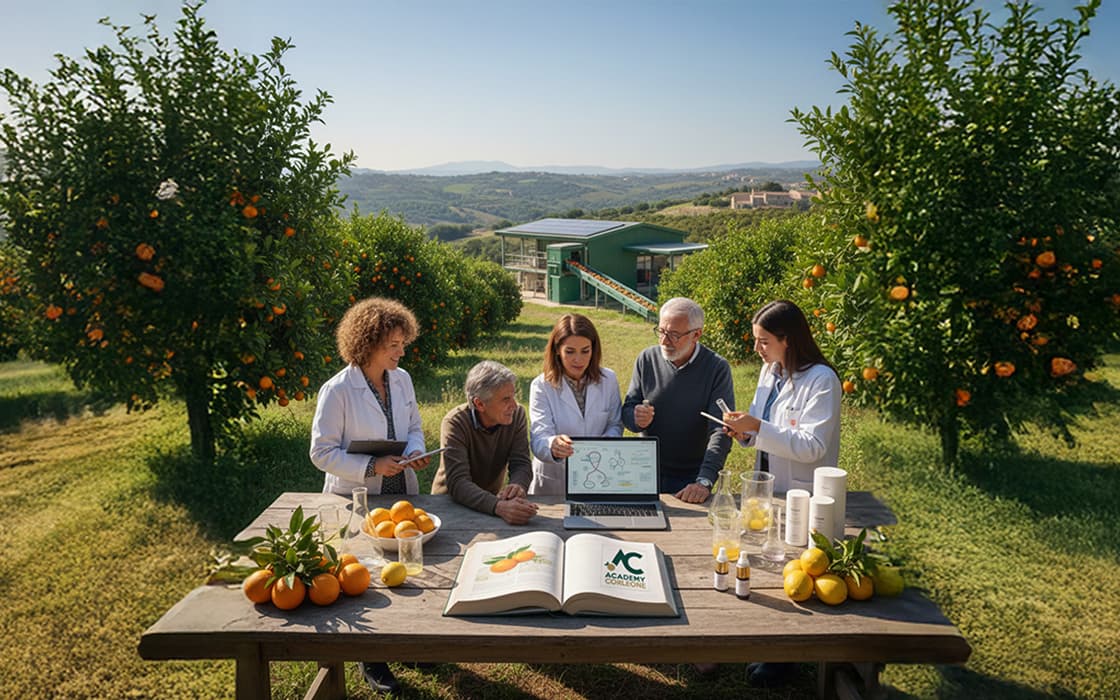
Corleone Citrus Academy
La Corleone Citrus Academy nasce come spazio di formazione, ricerca e confronto dedicato al mondo degli agrumi e alle sue infinite potenzialità. Un progetto voluto da Agrumaria Corleone per promuovere la cultura dell’innovazione sostenibile, valorizzare le competenze locali e creare nuove opportunità
Citrus academySucchi e oli essenziali per l’industria
Succhi naturali NFC, succhi concentrati e oli essenziali, estratti dagli eccellenti agrumi di Sicilia, vengono prodotti e distribuiti in tutto il mondo. Prodotti biologici e non, che conservano inalterate la qualità, la freschezza e le caratteristiche organolettiche del frutto originario.


Infusi e Aromi: Essencial
Dal 1896 trasformiamo i doni della natura in essenze pregiate. Selezioniamo ogni ingrediente con cura e creiamo infusi e aromi che uniscono tradizione, innovazione e autenticità.


Storia, esperienza, radici nel territorio e innovazione continua: oltre 130 anni di successi

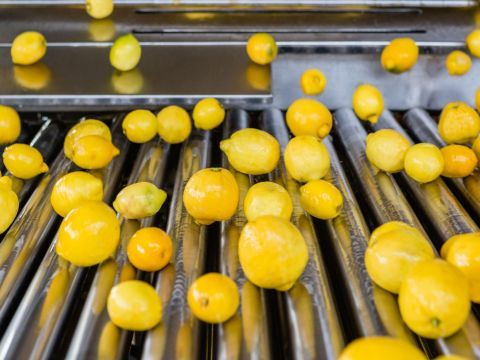

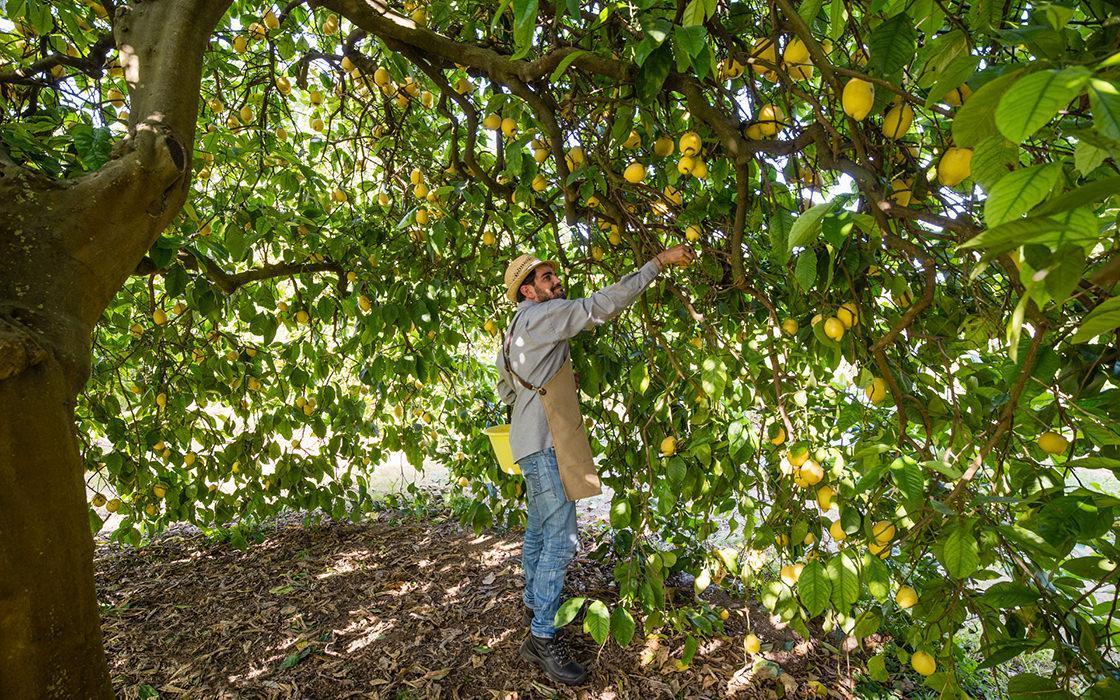
L’eccellenza degli agrumi di Sicilia
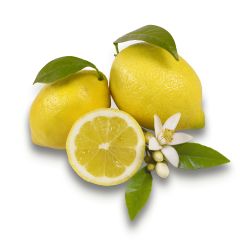
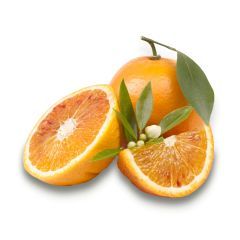
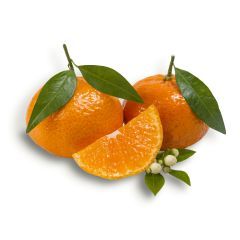
I succhi e gli oli essenziali nascono dai migliori agrumi di Sicilia - limoni, arance, mandarini - frutti dal sapore intenso e dal profumo inconfondibile, che Agrumaria Corleone seleziona, attraverso i propri fornitori nelle zone d’eccellenza di Sicilia:
- Palermo (Conca d’Oro, Bagheria, Carini),
- Trapani (Marsala, Castelvetrano, Mazara del Vallo),
- Messina (Taormina, S. Stefano, Capo d’Orlando, Milazzo),
- Catania ( Acireale, Giarre),
- Siracusa (Avola, Noto, Lentini)
Le nostre varietà selezionate includono:
limoni Femminello e Monachello,
arance rosse Tarocco, Sanguinello e il Moro,
arance bionde Ovale, Navel, Valencia,
mandarini Avana e Tardivo di Ciaculli
a cui si aggiungono, tra le eccellenze italiane: il bergamotto, l’uva bianca, le angurie, i gelsi, la melagrana e il fico d’india.
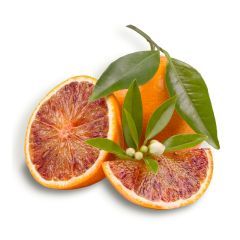
Flessibilità, innovazione e personalizzazione
Agrumaria Corleone, grazie all’alta flessibilità produttiva, è in grado di realizzare prodotti fatti su misura, studiati e realizzati appositamente per soddisfare le esigenze dell’industria di destinazione. Sono succhi e oli essenziali destinati all’industria del food and drink ma anche della cosmesi, per la produzione di succhi, nettari, compound, bevande, gelati, aromi e preziose fragranze.
Food

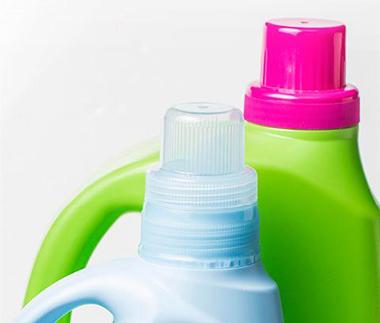
Detergenti
Cosmetici

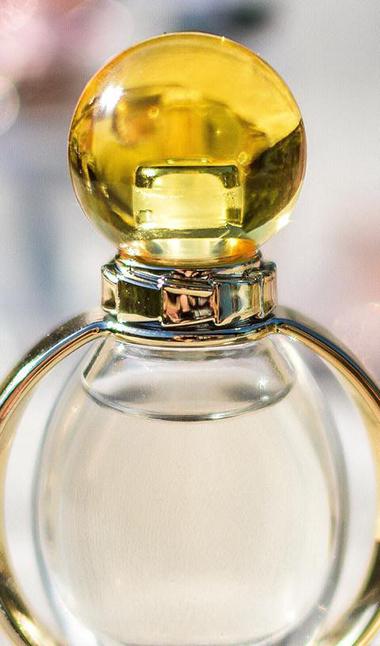
Profumi
Beverage